This week I focused on infrastructure for the Raspberry Pi, procurement for the fan subsystem, a CAD reference for the physical house model, and completing our CI pipeline and code coverage goal.
Key contributions included:
- Raspberry Pi 5 SSH setup: I set up SSH access for the Raspberry Pi 5 so we can work on it headless and integrate it with the backend and nodes without being tied to a monitor and keyboard. This is in place and ready for software install and communication testing.
- Fan parts and sourcing: I looked into replacement fan parts and a new buyer/provider. Our previous provider was banned or restricted by CMU through Amazon, so I identified alternative sources for the 30×30×10 mm 5 V brushless fans (and related items) so we can stay on schedule for the HVAC subsystem and physical demo.
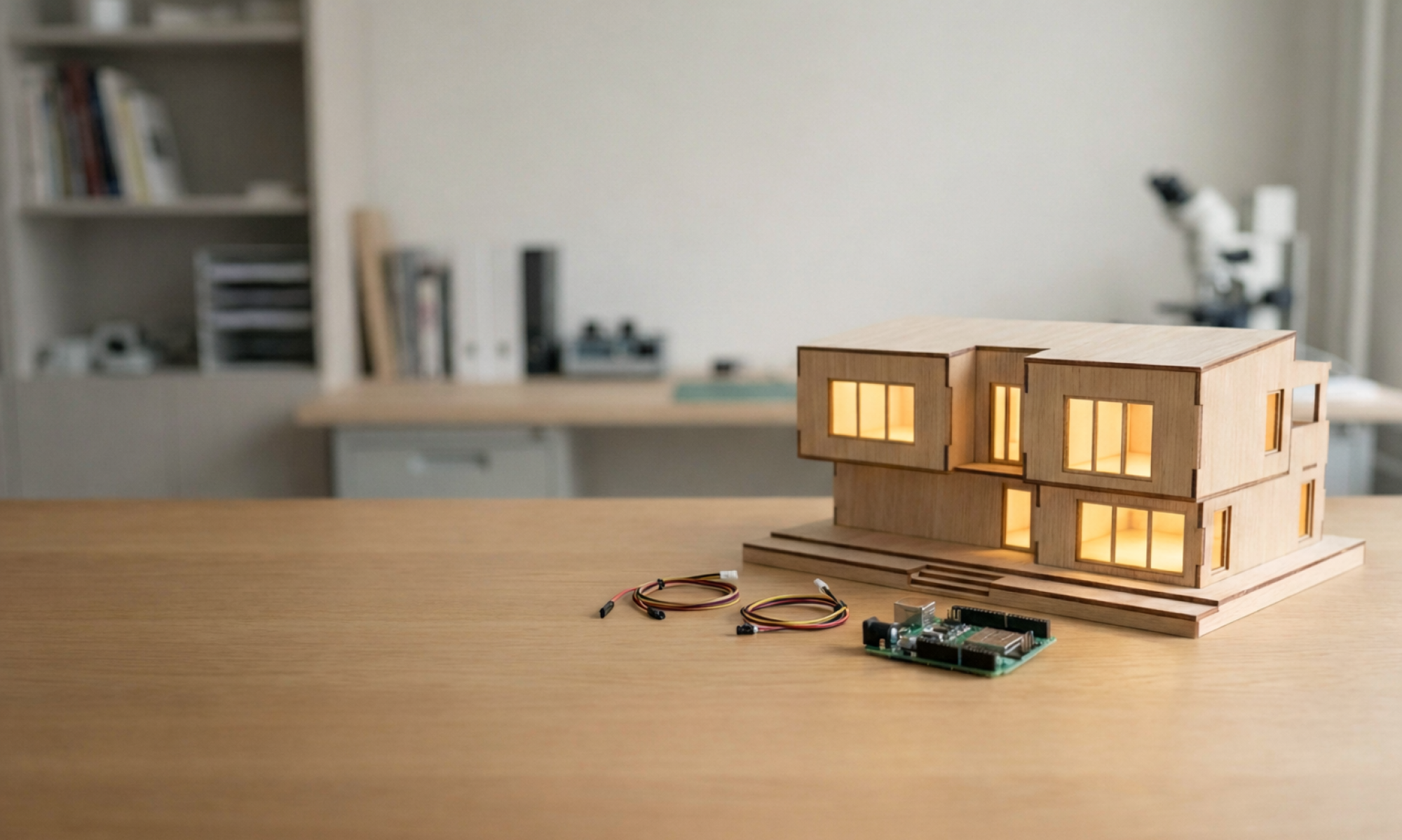
- CAD model for the house model: I created a CAD model of the house structure we plan to build, using FreeCAD. It gives us a clear reference for the overall layout exterior walls, internal partitions, window and door openings so we have a concrete idea of what we need to construct. Learning FreeCAD was pretty difficult, so this basic model was the most I could manage for now. With more time we could add more detail, but I think it’s better to devote that time to building the actual physical model and wiring rather than refining the CAD further.
- CI pipeline and code coverage: I got the CI pipeline for the repo running through GitHub Actions and achieved our goal of >50% code coverage. The pipeline is in place for backend linting and tests, which should help us catch regressions as we continue integration and hardware bring-up.
Is your progress on schedule or behind?
I am on schedule. SSH on the RPi5, fan sourcing, the CAD reference, and the CI/coverage milestone are all done. The next step is to use the RPi5 for backend and node communication tests and to move forward with physical construction and wiring once materials and replacement parts are in hand.
What deliverables do you hope to complete in the next week?
- Raspberry Pi and backend: Use the RPi5 over SSH to install and verify the backend stack (e.g., FastAPI, MQTT broker, TimescaleDB or equivalent) and run basic communication tests with at least one ESP32 node.
- Physical demo: Once replacement fan parts and any remaining materials arrive, help with house frame assembly and start wiring one subsystem (e.g., access control or one room’s environmental node) so we can validate end-to-end with the backend.
- Integration and tests: Keep CI green and add or adjust tests as we hook up real hardware and firm up MQTT/API behavior, so coverage and pipeline stay useful as we move into the integration phase.

This is the CAD file I was able to create through FreeCAD