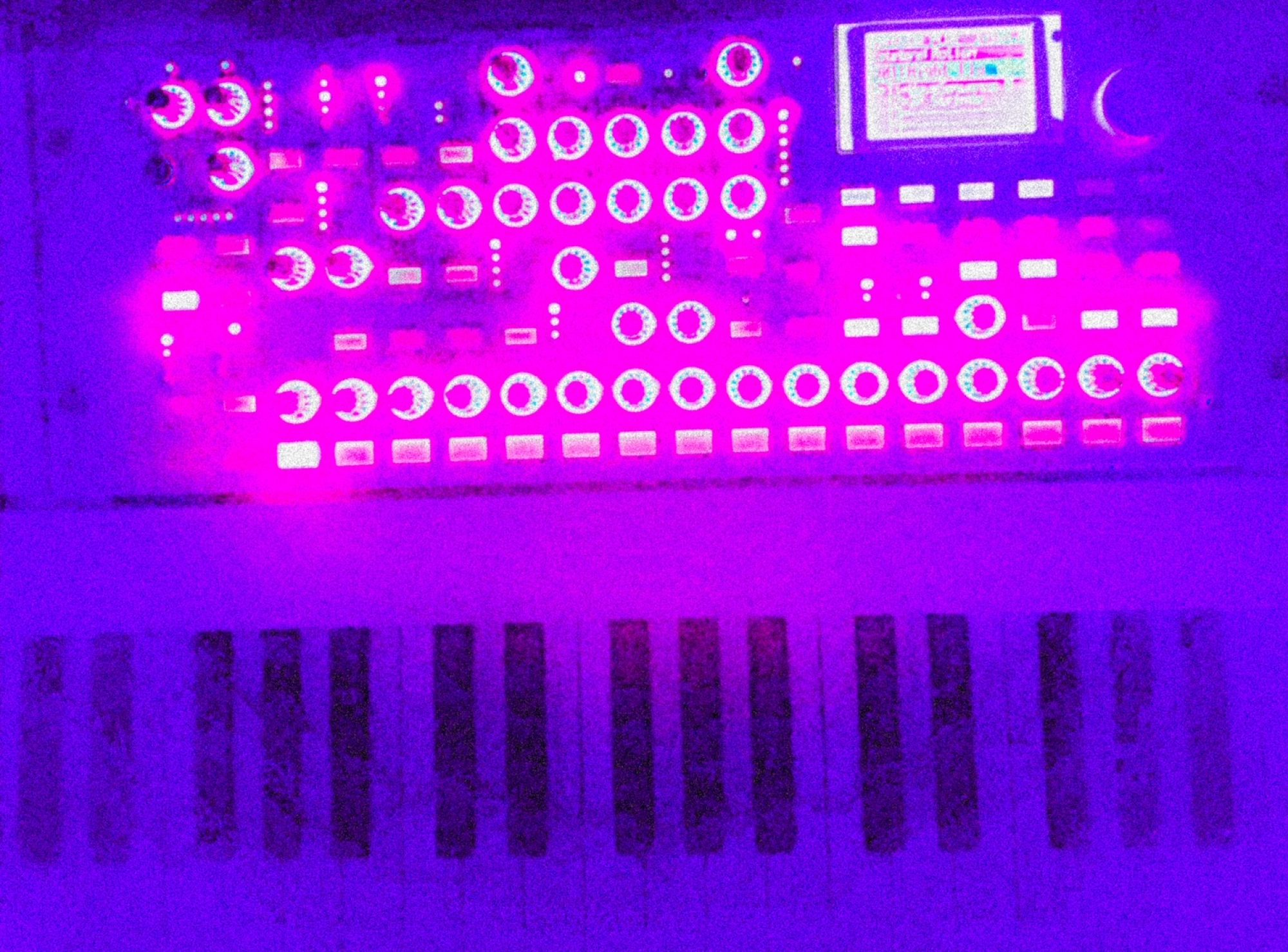
This week, I helped Daniel bring up a desktop-environment kernel, as opposed to the console version we had been using prior, which didn’t support Advanced Linux Sound Architecture needed to interface the MIDI controller. When this initially didn’t work, we resorted to streaming over USB through a serial monitor, on a laptop that could accept MIDI inputs.
So the main motivation behind my action this week was eliminating a huge source of end-to-end latency, and to get us to a point where user-testing is feasible. I now have people waiting to test our device, and this point of contention here is what’s stopping us from moving forward.
Now that the kernel is upgraded with the working drivers, we’ve begun working a program to parse MIDI CCs from the keyboard, and serve control signals to the FPGA. Once we’ve actually got our whole keyboard support final, we’ll need to a bit of frequency correction with the hardware-synthesis of oscillator tuning words, and make sure that accepting our controls doesn’t take DSP blocks.
We’ve found in synthesis that all DSP blocks are in use, consumed by multiplies, but we still have a lot of Logic Elements to make use of.
