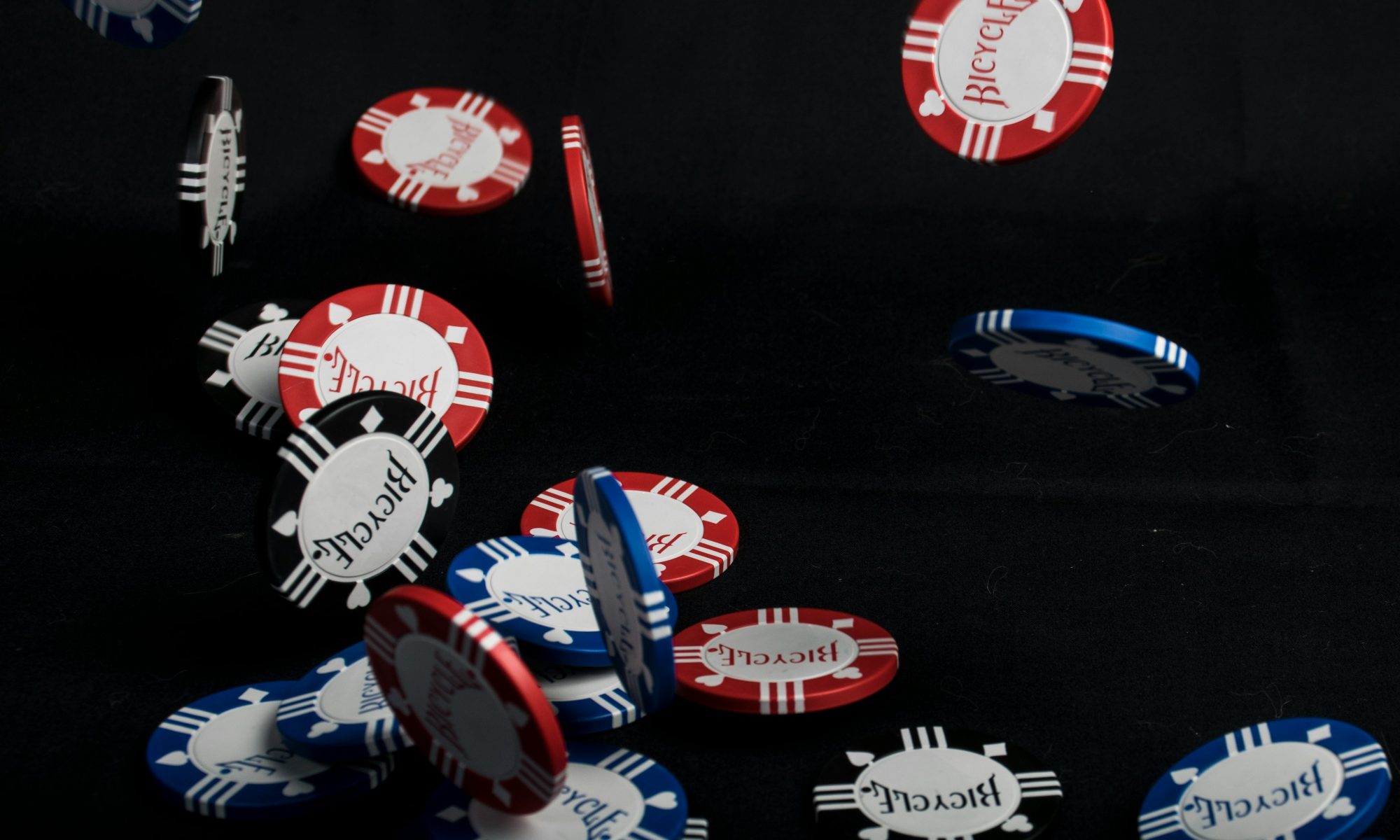
Right now our biggest risk is the reliability of all the pieces we have ordered that we haven’t gotten to test yet. The automated dealer may be very difficult to integrate or the RFID may not be reliable enough to track chips or cards. We have backup plans to build our own simpler dealer, and reading chips by color without RFID, but hopefully back up plans will not be needed once we get our items.
No changes to our schedule right now, we are mostly waiting for some critical parts to be delivered, and making progress on the things we can like the chip return system.
Part A: Since this project is to provide casual players at home with a realistic gameplay to either practice against ai bots or friends and bots there is likely no large psychological problems. That does not mean that on an individual basis users could not find themselves gambling using this product and therefore could pose a psychological impact on those who gamble using our product. There are otherwise no affects on a users welfare or safety using this product. (Written by Andrei Da Silva)
Part B: For social factors, we are hoping that this project allows people to connect with their friends over an in person game, rather than being glued to your phones. We want to make poker more accessible for groups that may not know exactly how to play or struggle to find a dealer, but are looking for this kind of activity for connection. (Written by Sam Istvan)
Part C: Our product will hopefully be economically much more reasonable for a majority of the target audience – people who want to have a functional automated home poker system. Currently, competing products are enormously expensive, running $5000+ per table, and don’t have physical chip and card integration. We hope that our product would be able to target more casual audiences that appreciate the physical experience of poker and don’t want to spend exorbitant amounts of money for the convenience of a dealer.