Team Status Report for Apr 25th

The most significant risk is the moving pieces breaking during demo, and integration time. We are managing this by reprinting important parts stronger, and spending extra time on integration this week.

No changes have been made.

List all unit tests and overall system test carried out for experimentation of the system. List any findings and design changes made from your analysis of test results and other data obtained from the experimentation.

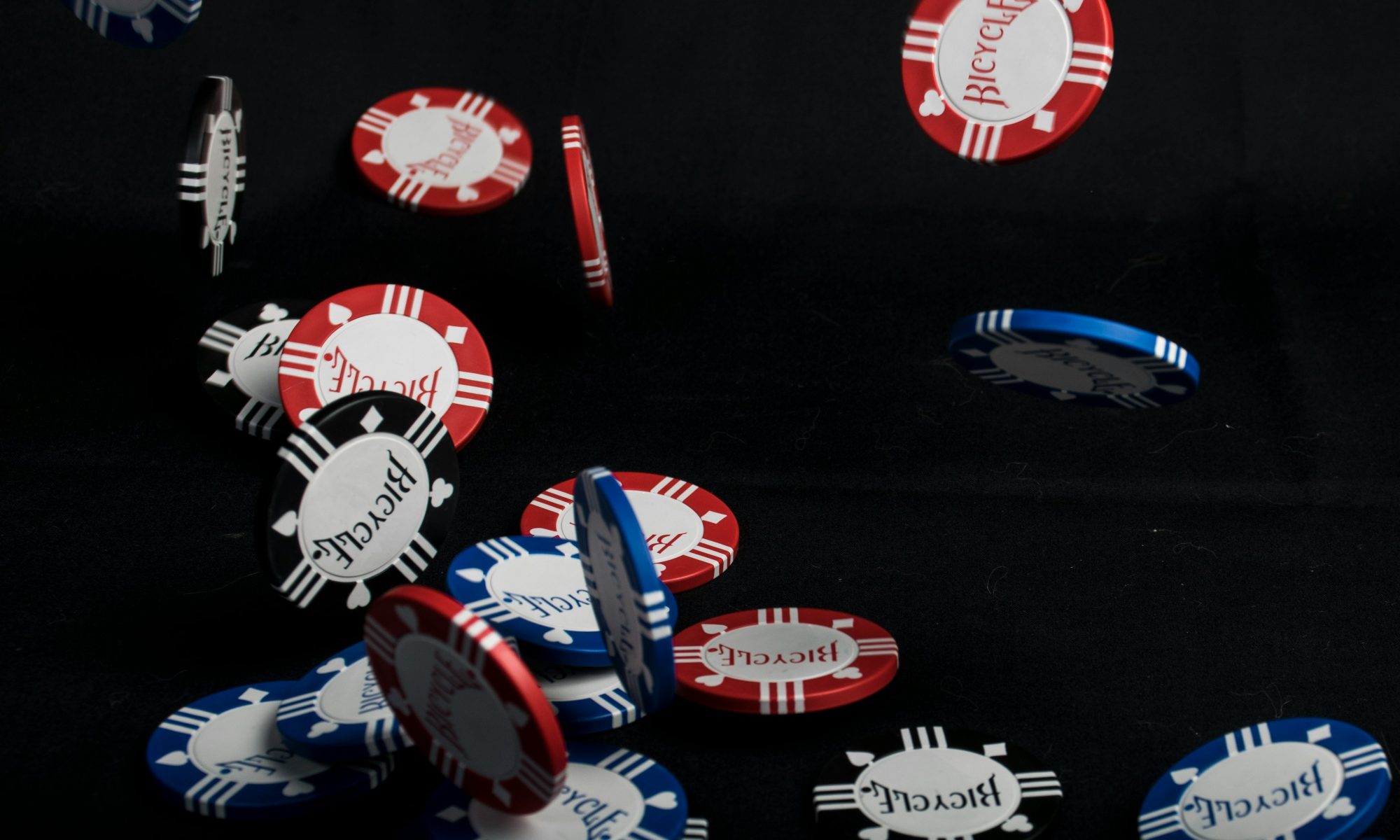
Color sensing test – 150 of each chip color (200 for blue) has been passed through the sensing system to make sure they are accurate. Originally green was going to be used instead of blue, but blue showed up better to these color sensors.

Dealer Speed Testing – Tested the start to end time of dealing and averaged 4.23s a lot faster than the necessary 15s. In addition I decided to test the shuffle + dealing time which sits at about 6 seconds (2 seconds to shuffle and 4 to deal).

AI response time test – retested AI response times with slightly updated model weights, no changes from previous results, still conforming to specifications.


Team Status Report Apr 18th

The most significant risk is integration bugs, which we are dealing with by trying to complete the individual components as fast as possible so we have maximum time to finish fully integrating.

For chip returning, instead of an individual track for each person, there will be a main return pot near the center of the table where the winning player will have to take their earnings back. The individual tracks add a lot of material to the table that takes up valuable table surface, and getting the chips to go down different tracks has been a surprising challenge, so this simplification needs to be made to make a working project.

Schedule hasn’t changed even with the slight changes.

Team Status Report Apr 4th

As a team GAMBLETRON 9000 was dsiplayed at the interim demo. We mostly completed the seperate parts to our project and are looking forward to integrating the different sections now that the demo is done.
Currently our progress has been slowed down a bit because of our heavy involvement in booth and carnival.

In addition we will be using our booth knowledge to create our table to the correct dimensions in a short time after carnival is done.

Team Status Report for March 28th

Our biggest risk right now is pieces breaking before or during demos, so we have continued testing each subsystem a lot to work out any bugs. We have also prepared back up motors and servos incase a critical part breaks in the next day to make sure we have something working, as well as collecting video of working parts as an extra backup.

No changes were made to the system this week, and our schedule remains the same.

Team Status Report for March 21st

The most significant risk is the integration of parts before the interim demo. We are starting this work early in the week to hopefully mitigate the risk of it taking too long. Going to start working on the table to be able to put everything on it and testing RFIDs.

No changes to the design this week.

Schedule has stayed the same.

Team Status Report for March 14th

The most significant risk this week was the 3d printer uptime. This risk is being managed by getting access to the tech spark printer, and not waiting until the last minute to print so downtime doesn’t hurt us.

The only change is the chip sorter moving from vibration to magnets to pull the chips into the system. It was necessary because the vibrations to the table messed with user experience and the only cost is cheap magnets and reprinting a few parts.

In addition the RFIDs are coming in this week.

No changes to schedule

Team Status Report for March 7th

The most significant risk is that the new design for the centrifugal chip ordering. This could slow us down, and this is being managed by having work done over spring break to catch up during slack time.

The way that chips enter the system has changed. It was necessary because the vibration required for the previous design degraded the quality of the table as it was too loud and noticeable. This hasn’t changed the schedule.


Part A is written by Sam Istvan

Part A: Global factors really are only that the system will operate in a home environment that may include children, elderly users, and people unfamiliar with electronics. The user interface must require no technical knowledge to operate. The materials and components used must comply with standard consumer electronics safety expectations. The system should be designed for longevity to minimize electronic waste, using off-the-shelf components that can be individually replaced. This product intends to make social connection easier at well, giving access to a social game for people to bond over in their homes. Removing the table management from poker makes it easier to just be in the moment and connect with others around you.

Part B written by Andrei Da Silva

Part B: The Gambletron 9000 will not do well in places where gambling and games of chance are not popular or against moral values due to its association with Poker. That being said our game in itself is not a gambling game and there is no actual money involved. It is a game to provide those who want to play poker to enjoy a game against bots or friends while not having to keep track of game state. This game would likely not be allowed to be purchased in most religious states but if marketed correctly would be popular in most places where gambling isn’t a strong moral problem since it is more made to be a solo or family style game.

Part C written by Benjamin Berger: … with consideration of environmental factors. Environmental factors are concerned with the environment as it relates to living organisms and natural resources.

The Gambletron9000 has no significant environmental impact. Games of poker inherently do not leave an environmental footprint, and the replacement of traditional poker with gambletron does not change that. With respect to humans as living organisms, gambletron could be beneficial, as it encourages the in-person social aspect of poker, could replace online play for some groups, and makes live poker more available and reliable. In that case, it could be good for its playerbase, encouraging more social interaction which is healthy.
Team Status Report for Feb 21st

This week we continue to each work on our part of the project. We also received the items we ordered at the end of the week, so we have escaped part of this bottleneck. Overall we are making good progress and finalizing the design as we try things and see if they work or not.

The chip return is taking shape with 3d models of the starting funnel and track with color sensing is being worked on.

The auto card dealer came in on Thursday and from initial tests seems to have the basic functionalities necessary for this project. Throughout this coming week we will be dismantling it and seeing if we can control the autodealers actions ourselves.

One of the most significant risks is how well the RFIDs work. We really need to have access to them to test, as if they do not meet our specs as expected, it could cause significant redesign. We are trying to build the chip return system in a way that it could work with only color, but RFID is needed to make everything run faster and smoother. We are also trying to mitigate this by doing this testing early, so if it doesnt work we can change designs pretty easily.

The ML framework on which to train the poker AI is in progress. The system to run Monte Carlo simulations is done, and we are working on implementing stochastic node selection for training.

Our schedule is overall the same, we are making good progress and haven’t hit any significant speed bumps

Team status report for Feb 14th

Right now our biggest risk is the reliability of all the pieces we have ordered that we haven’t gotten to test yet. The automated dealer may be very difficult to integrate or the RFID may not be reliable enough to track chips or cards. We have backup plans to build our own simpler dealer, and reading chips by color without RFID, but hopefully back up plans will not be needed once we get our items.

No changes to our schedule right now, we are mostly waiting for some critical parts to be delivered, and making progress on the things we can like the chip return system.

Part A: Since this project is to provide casual players at home with a realistic gameplay to either practice against ai bots or friends and bots there is likely no large psychological problems. That does not mean that on an individual basis users could not find themselves gambling using this product and therefore could pose a psychological impact on those who gamble using our product. There are otherwise no affects on a users welfare or safety using this product. (Written by Andrei Da Silva)

Part B: For social factors, we are hoping that this project allows people to connect with their friends over an in person game, rather than being glued to your phones. We want to make poker more accessible for groups that may not know exactly how to play or struggle to find a dealer, but are looking for this kind of activity for connection. (Written by Sam Istvan)

Part C: Our product will hopefully be economically much more reasonable for a majority of the target audience – people who want to have a functional automated home poker system.  Currently, competing products are enormously expensive, running $5000+ per table, and don’t have physical chip and card integration. We hope that our product would be able to target more casual audiences that appreciate the physical experience of poker and don’t want to spend exorbitant amounts of money for the convenience of a dealer.

Team Status Report for Feb 7th

The most significant risk is if RFID does not read the chips fast enough. We are going to do some testing this week to see if we can limit this problem by using color sensors.

We have no changes in our design or schedule as we are just starting, we are hopeful that we will face no slow downs from ordering.