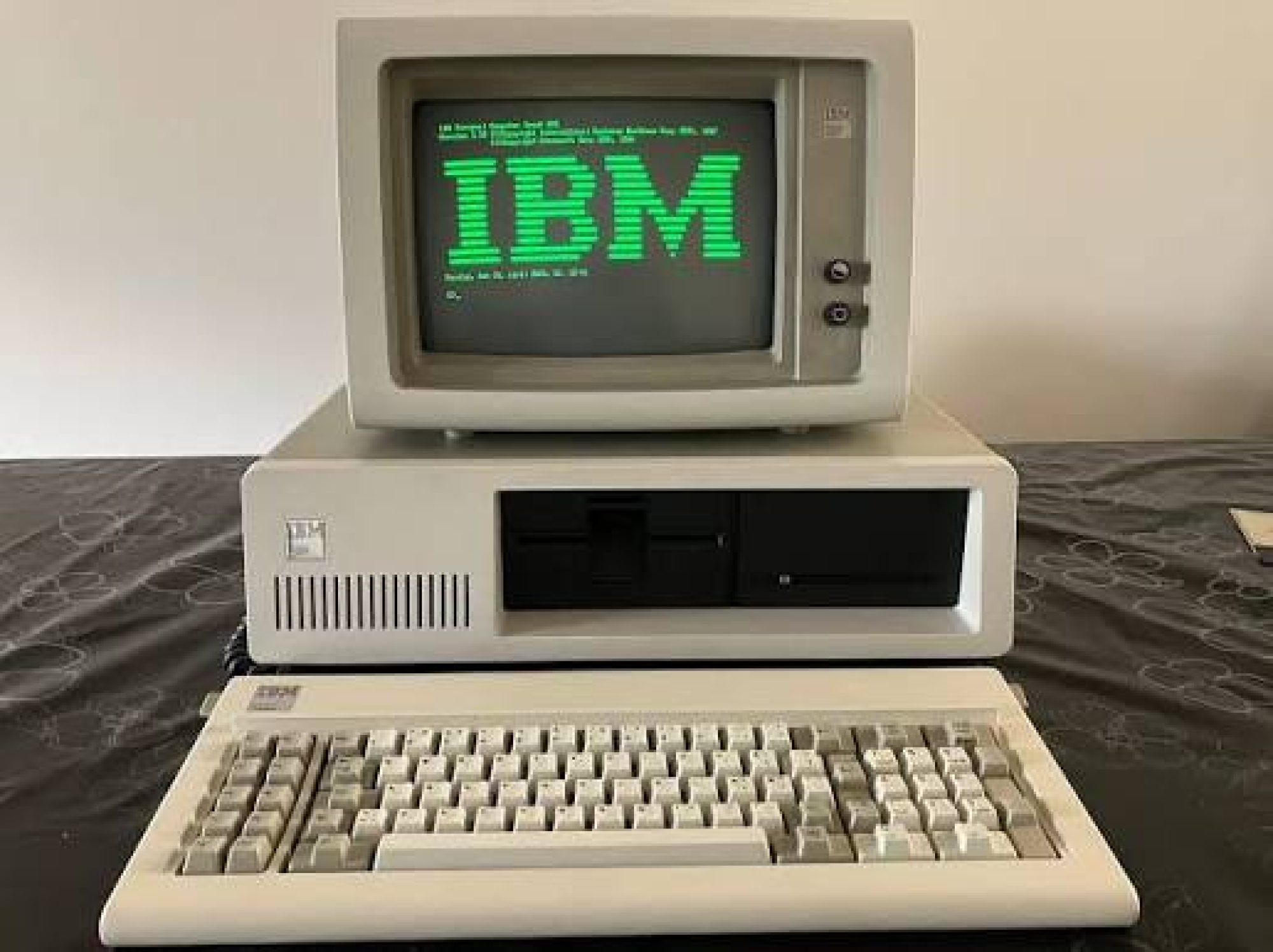
This week Josh connected the custom CPU to our BIOS in simulation using Ben’s memory controller and approved memory map. The CPU executes the BIOS reset jump, but currently stops at the unsupported CLI instruction. Josh added segment support, near and far jumps, byte MOV operations and execution diagnostics. Verification passed 2,826 segment/prefix programs and 10,092 MOV programs, along with the previous CPU and system regressions. Ben continued CPU/memory integration, read/write verification and peripheral-interface work. Govind updated the BIOS to support Ben’s disk-controller interface and added a controller model and disk diagnostic. Validation passed 32 emulator/model test profiles and 28 host tests, and fresh builds from all 15 software branches produced the same hardware-facing ROM. These changes are pushed to GitHub. Physical SD access and FPGA boot remain unverified.
The main risk is completing CPU instruction support and physical storage/peripheral integration in time for the interim demo. ALU/FLAGS operations, port I/O, strings and interrupts still block BIOS initialization. We will use instruction traces and small ROM/disk diagnostics to isolate failures while continuing integration. If full FPGA boot is not ready, our fallback is to demonstrate the interactive shell and COM program in the emulator and the custom CPU with the actual memory-controller RTL in simulation, clearly identifying each environment.
There were no changes to the overall requirements or architecture; the BIOS now consumes the existing controller interface. The October 26 BIOS/disk checkpoint has not been demonstrated on FPGA, and the November 2 hardware shell/COM checkpoint is at risk. Next week we will prioritize the missing BIOS instructions, memory/peripheral debugging, ROM and disk-test integration, and rehearsal for the week-of-November-9 interim demo. No revised hardware completion date has been confirmed. Optional EXE work remains deferred.