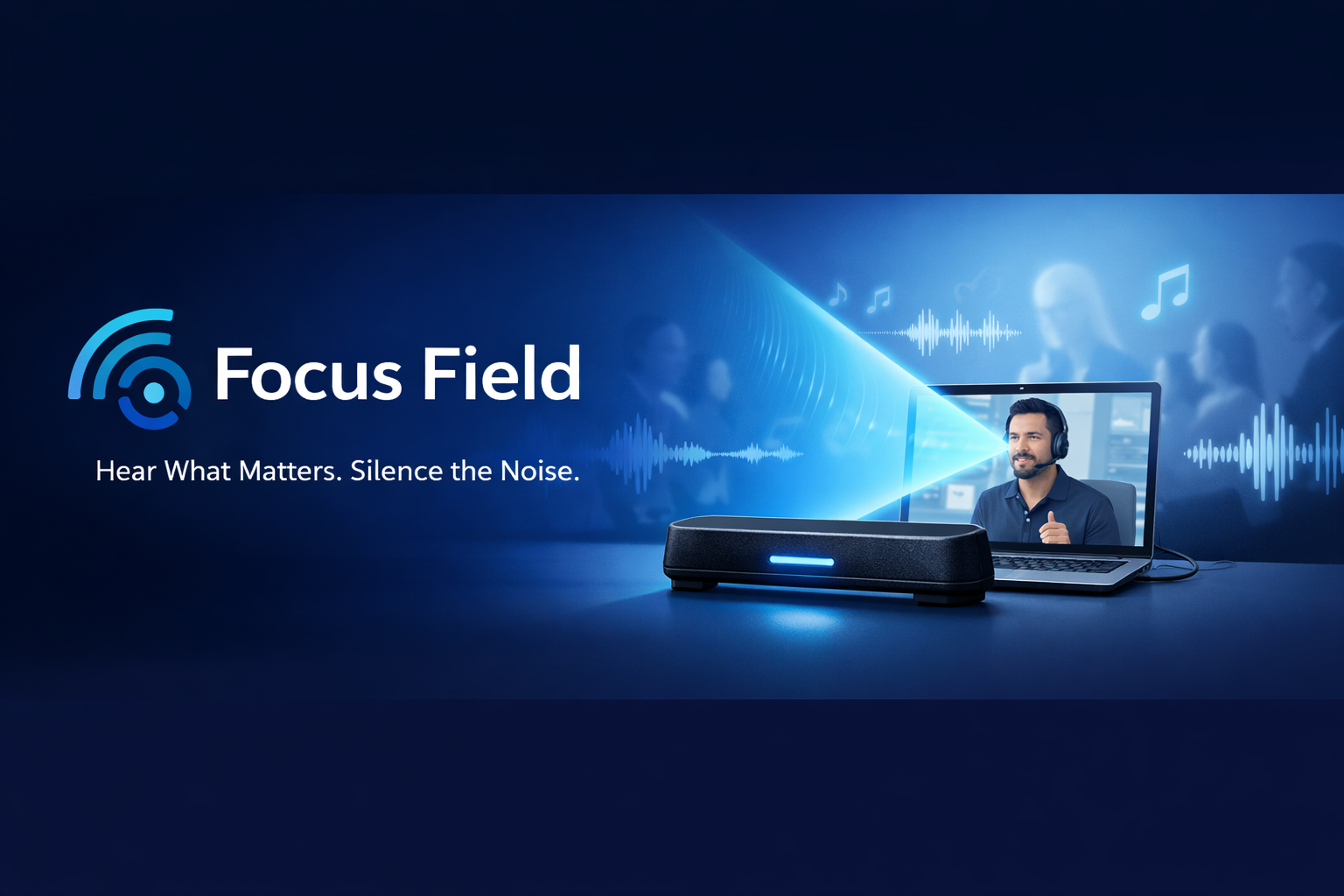
One of the most significant risks at this stage of the project is designing a chassis that securely mounts the cameras while maintaining proper alignment with the microphone array. Because the system relies on visual detection and directional audio working together, even small shifts in camera positioning or misalignment between the cameras and microphones could negatively affect speaker identification accuracy and steering performance. Ensuring the physical stability and precision of the hardware layout is therefore critical to achieving reliable system behavior during testing and operation.
To manage this risk, the team plans to carefully evaluate multiple design options for the device’s chassis before finalizing a solution. We will use an iterative prototyping approach, gradually refining the physical design to ensure the cameras remain stable and correctly aligned with the microphone array. This process will involve testing different mounting approaches and making adjustments based on observed performance and stability.
At this time, no contingency plan is necessary because the risk is manageable through design iteration and careful prototyping. No changes have been made to the system requirements, block diagram, or overall system specifications in the past couple of weeks.
A was written by Cole Franklin, B was written by Nasir Crownie and C was written by Omar Ghabayen. Nasir reviewed and edited for unity.
A. Global Factors
The Focus Field project considers global factors by addressing a communication challenge that affects people in many different regions and work environments around the world. As remote work, virtual meetings, and online collaboration become more common globally, many people participate in calls from noisy homes, shared offices, or public spaces. By designing a low-cost system that improves speech clarity without requiring specialized infrastructure, the project aims to support clearer communication for users across different countries, professions, and levels of technical experience.
B. Cultural Factors
The project also considers cultural factors by recognizing that communication technologies should support speakers of many different languages and backgrounds. People participate in meetings, classes, and collaborations using a wide variety of languages and accents, so the system is designed to improve speech clarity without relying on language-specific processing. By focusing on isolating the active speaker’s voice rather than interpreting the language itself, the device can support clearer communication for users regardless of the language they speak, helping make the technology more inclusive and accessible across diverse cultural communities.
C. Environmental Factors
The Focus Field project has minimal environmental impact because it is designed as a small, USB-powered desktop device. It does not require large infrastructure, high energy consumption, or specialized installations, and it operates using standard computing hardware that is already common in many work environments. As a result, the system does not significantly affect natural resources or the surrounding environment beyond typical low-power electronic device usage.