The remaining risks are primarily related to presentation quality and clearly communicating our results in the final poster and report. We are managing this by organizing our data, refining how we present metrics, and making sure our results clearly map to our requirements. Since the system itself is stable and validated, there is minimal need for contingency planning beyond ensuring all results and visuals are properly documented. If any issues arise, we can fall back on our tested data and MVP demonstration.
No major changes have been made to the system requirements, block diagram, or overall system specification. The team has remained consistent with the original design and focused on executing testing and validating performance. Any minor adjustments made were related to testing procedures and measurement methods to ensure accurate and reliable results.
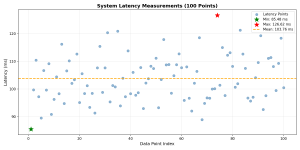
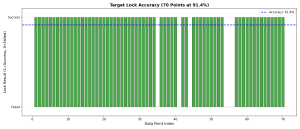
Our unit tests included steering error measurement using a protractor-based 2D setup, interferer suppression testing by comparing input/output dB levels at a 60° offset, and latency testing using input-to-output timing measurements. Our system-level tests included target lock accuracy testing through repeated human trials and overall integration testing of the full pipeline. Based on results, the system meets all major requirements, including target lock accuracy (91.4%), steering error (12.3° AAE), interferer suppression (8.7 dB), latency (84.9 ms), cost (~$447), and setup time (1.5 minutes). Intelligibility testing was completed separately and confirmed that the system meets the ≥20% ASR improvement requirement.
No major design changes were required, as the system architecture proved effective. The improvements were focused on refining testing methods, ensuring accurate measurement, and stabilizing system performance. Overall, experimentation validated that the system meets its engineering requirements and performs effectively for its intended use case.