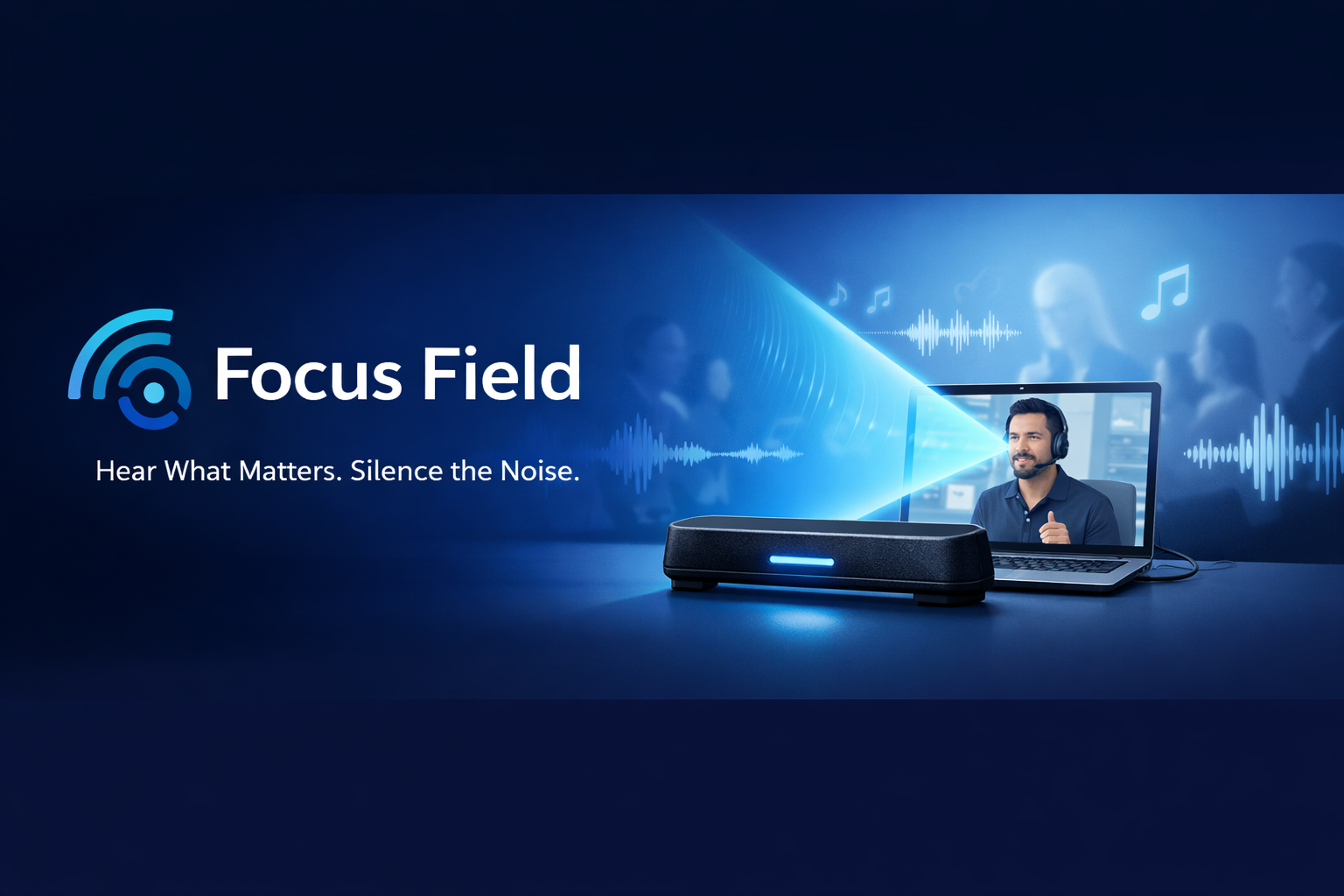
This week I focused on improving the stability, calibration, and observability of the FocusField system on Raspberry Pi in order to make the platform more reliable for integrated testing and upcoming demonstration work. My primary effort went into hardening the runtime so that the system is easier to configure, easier to diagnose, and more dependable when running on the target hardware. Rather than adding isolated features, I concentrated on reducing the friction between configuration, hardware bring-up, runtime execution, and UI visibility.
A major portion of my work involved stabilizing the Pi runtime and strengthening the calibration workflow. I updated the runtime and related tooling so that hardware-specific configuration is handled more clearly and more consistently on-device. This included improving the Pi setup and validation flow, refining calibration support for the camera and microphone configuration, and strengthening the runtime path so that the system better reflects the actual hardware state of the device it is running on. These changes help reduce ambiguity during setup and make it easier to move from development configuration to a reliable deployed configuration.
In parallel, I improved the calibration and modeling of the microphone array, particularly around the UMA-8 geometry and channel handling. I refined the device profile so that the active microphone geometry more accurately reflects the true acoustic layout, and I updated the calibration tooling so it produces more actionable outputs for both device profiles and local Pi configuration. I also added support for runtime yaw offsets and tighter validation around audio channel configuration, which helps ensure that beamforming and direction-of-arrival calculations are grounded in the actual hardware arrangement rather than relying on looser assumptions. This work is important because it directly affects localization accuracy, beamforming quality, and overall runtime confidence.
Another important area of progress was improving runtime visibility and telemetry. I added more detailed runtime metadata so that the system now surfaces resolved audio bindings, camera bindings, applied calibration overlays, active configuration details, and other runtime characteristics more clearly. I also expanded the telemetry layer so the UI can expose richer debugging and operational information, including microphone health summaries, camera calibration state, and other runtime context that previously was harder to inspect. This makes it easier to understand not only whether the system is running, but how it is running and what configuration it is actually using at the moment.
I also strengthened the system’s health and performance reporting so that failures and degradation are surfaced much more clearly. Specifically, I added logic to expose runtime failures in the health summary, including queue pressure, capture overflow conditions, beamformer fallback states, and microphone channel degradation or dropout. I extended performance monitoring to track persistent fallback behavior and queue-related pressure signals, which gives the system a more useful view of when it is entering a degraded operating mode. This is valuable both for live troubleshooting and for demo preparation, since it allows us to identify and explain unstable behavior before it becomes a visible failure.
In addition to the core runtime and telemetry work, I updated supporting scripts and documentation so that the bring-up process is more operationally sound. I improved the runbook and Pi-oriented scripts for preflight checks, local config generation, smoke testing, calibration, and service installation, which helps connect the engineering work to actual repeatable usage on hardware. I also added test coverage around the runtime camera calibration path so these changes are backed by verification rather than only manual testing.
Overall, this week’s work significantly improved the maturity of the software stack behind FocusField. The system is now better calibrated to the target hardware, more transparent in how it reports its runtime state, and more robust in surfacing failure conditions that matter during testing and demos. These changes move the project beyond basic functionality and toward a more dependable MVP that is easier to operate, debug, and present confidently.
Schedule
Currently on schedule.
Next Steps
Next week I plan to focus on final integration and demonstration readiness. This will include verifying end-to-end behavior on the target hardware, continuing to refine camera and microphone bring-up on the Pi, validating that calibration and runtime bindings remain stable across runs, and using the improved telemetry and health reporting to resolve any remaining reliability issues before the demo. I also plan to continue strengthening the host-facing microphone workflow and benchmark readiness so that the system is not only functional, but also defensible from an engineering and presentation standpoint.