Bruce’s Status Report for 11.09

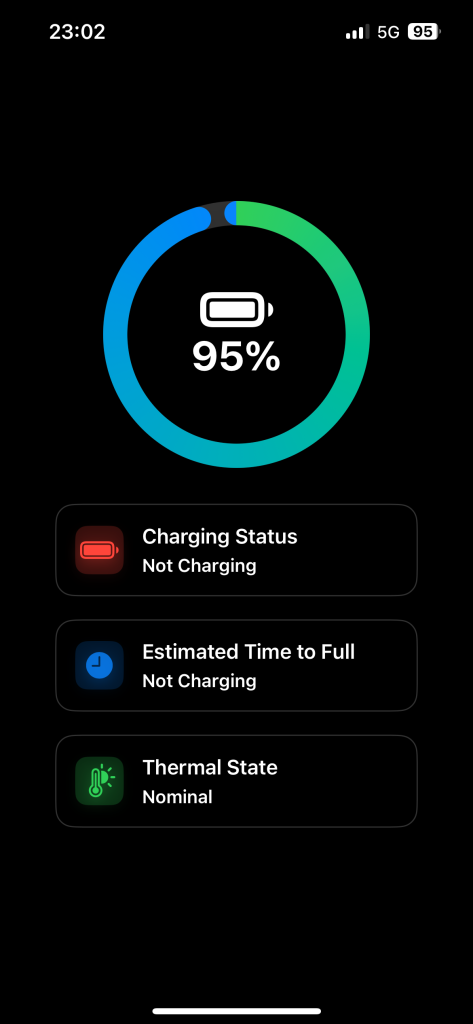
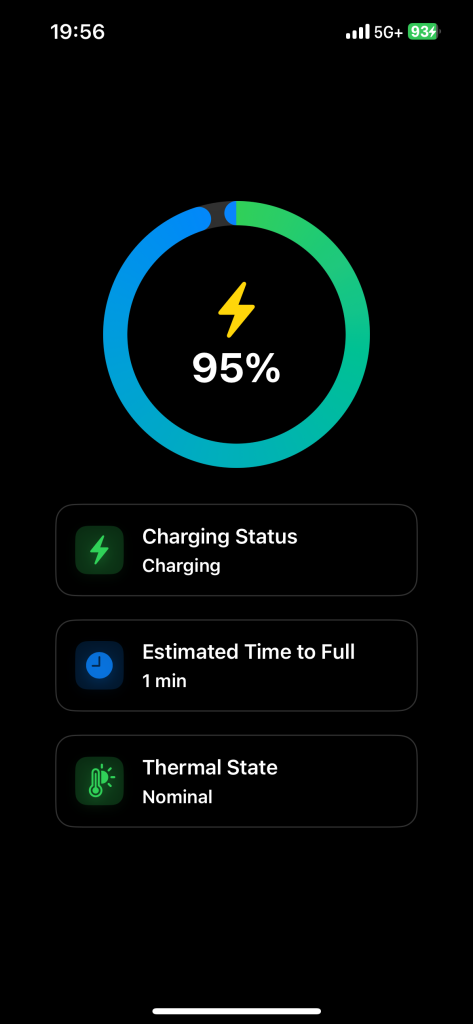
This week, my main focus was on finalizing the phone app. So currently, I have finalized our design of the app on iPhone, and right now it allows users to see the current changing status, the estimate time to full, and the thermal state of the phone.

App UI when it is charging

App UI when it is not charging

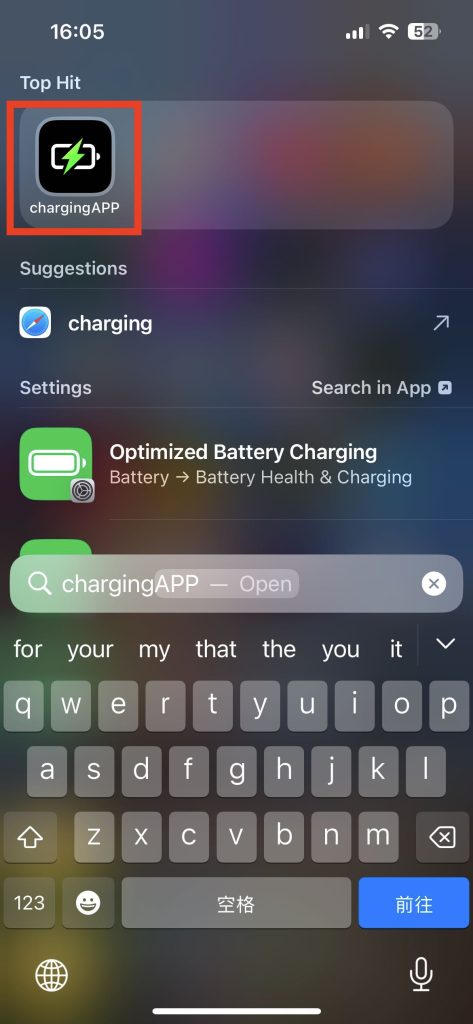
App Icon in phone

So right now the app looks better and contains animation, it also contains an app icon. However, One problem is that for IOS system, in order to provide the privacy, their public API to get the battery percentage only have accuracy of 5%. I also checked the existing app in App Store, and the existing app that can show battery percentage also have this problem.

I am currently on track.

Next week I would mainly focus on integrating this with the web browser and the macOS app, so that user can see their device info when they are charging on their computer. I would also help building the gantry system to make it mostly finished next week.

Team Status Report for 11.02

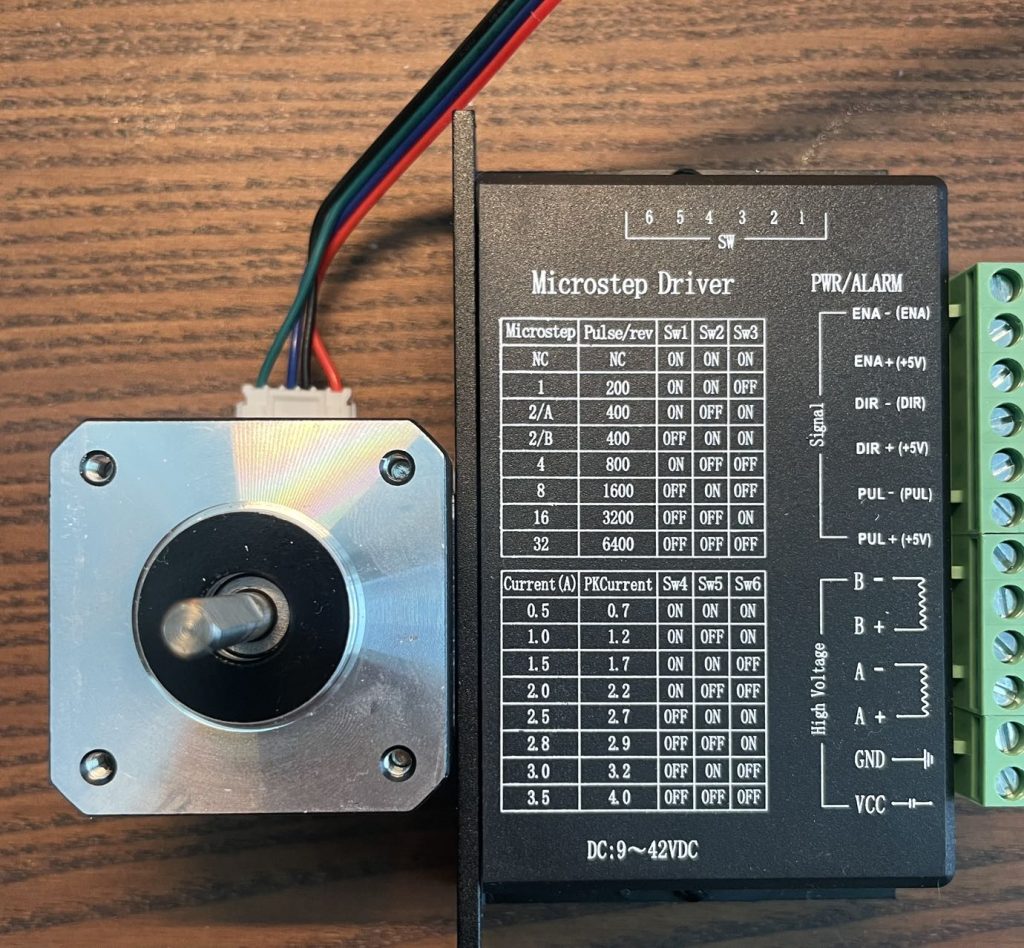
This past week, our team focused on advancing the structural, motor, and charging systems of the table. With the final structural components arriving early in the week, we examined the aluminum extrusions and connectors for the table frame, ensuring they fit within our design specifications. We created detailed 3D models using Fusion 360 and submitted critical parts, like the table corners and charging pad holders, for 3D printing. These components will provide support for the transparent layers and integrate with the gantry system, allowing precise positioning of the charging pad.

For the motor system, we configured the motors on the Raspberry Pi, establishing essential commands like turning and stopping. Leveraging compatibility with the Nvidia Jetson Orin Nano, we extended this motor functionality to the Jetson platform, which will allow us to translate coordinate data from the vision system into precise motor commands.
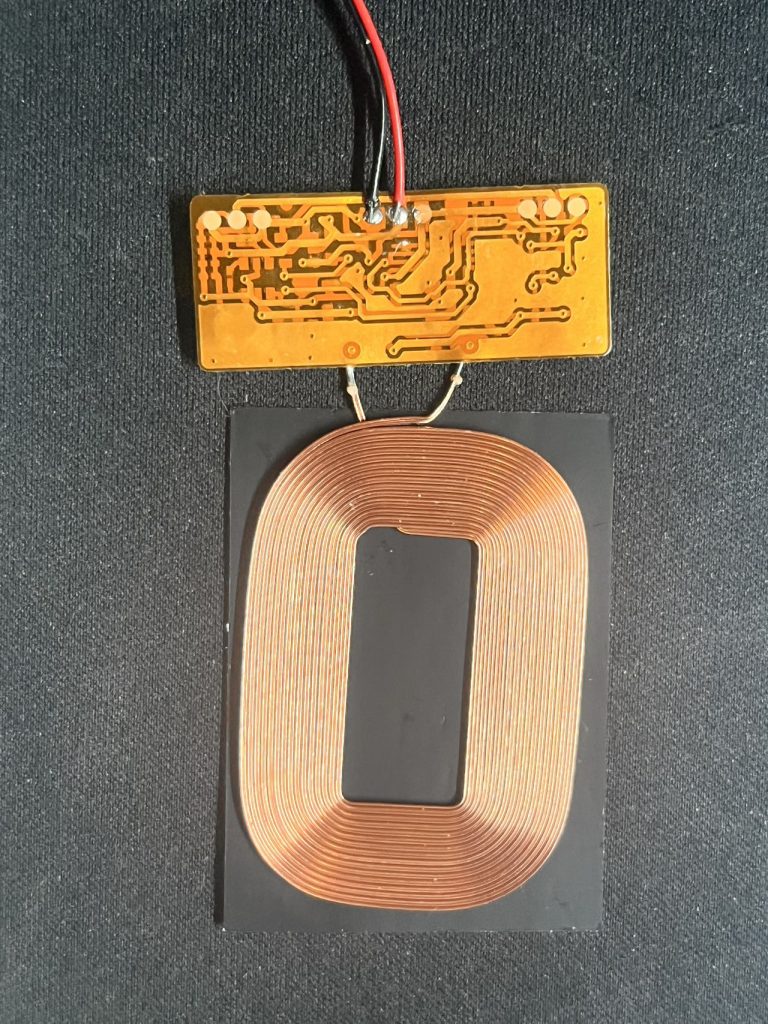
On the charging module side, we successfully integrated the charging pad with the Jetson Nano, establishing reliable communication between the two. Initial tests show that our setup can charge an iPhone 13 Pro in approximately 45 minutes. However, we identified stability issues with the charging pad, where it occasionally stops charging unexpectedly. We also experimented with materials and configurations to minimize interference from the gantry’s magnetic components, adjusting the design to ensure reliable charging without compromising the table’s layout.
We are currently on schedule.

Our primary objectives for the upcoming week are as follows:

  1. We will continue assembling and testing the structural and mechanical components, including verifying the 3D-printed parts for stability and functionality.
  2. We aim to complete the gantry system’s mechanical assembly and begin functional testing, focusing on motor control and precise movement based on coordinate inputs from the vision system.
  3. Enhancing the charging module’s stability will be a top priority to prevent disruptions in charging. We will conduct further tests to identify the root cause of the charging interruptions and make the necessary adjustments to achieve consistent charging performance.
Bruce’s Status Report for 11.2

This week, my main focus was the development of the charging module. I worked on the integration of the charging pad with the Jetson Nano, our project’s central processing unit. By the end of the week, I successfully incorporated the charging pad with the Jetson Nano.

One of the key metrics I measured this week was the charging efficiency of the system. With the current setup, it takes approximately 45 minutes to fully charge an iPhone 13 Pro.  Currently, the charging pad is not stable enough, which means that sometimes it just suddenly stop charging the devices. I haven’t figure out the reason yet, so I am going to focus on solve this next week.

One big consideration was the unique structural layout of the table. The design must accommodate both the moving parts of the gantry and the magnetic properties of the charging pad without interference. Through testing, I discovered that certain materials and structural arrangements could impact the strength and stability of the magnetic field around the pad. I adjusted the layout and experimented with different materials to mitigate this issue, but further refinement will be necessary as we move toward finalizing the design.

I am currently on schedule.

In the upcoming week, the primary objective will be to improve the stability of the charging pad during the charging process.  I will also begin to build the gantry system to make sure we have enough time to finalize the project.

Steven’s Weekly Status Report 10.20

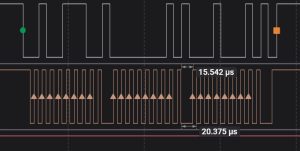
This week my work has been focused on following up on the progress of parts procurement and driver development for the motor controllers. I worked on the TB6600, a motor controller. My current design is to connect the + and – terminals of the motor controller to the motor and use the Jetson GPIOs to connect the Pulse, Direction, and Enable terminals of the controller and then use the Jetson.GPIO library to control the motor controller. This week I finished writing the original code and successfully ran it on the Jetson. I used a digital logic analyzer to analyze the waveforms of the GPIO pins to make sure they were working properly. Next week when the controllers and motors arrive, I will start working on the hardware connections to actually use the Jetson to control the motors and add a second controller for full power load experiments.

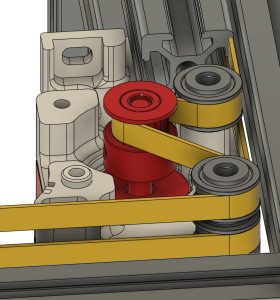
Meanwhile, this week I’ve been working on the precision design of the mechanical hardware. I designed some 3D printed parts such as supports to hold motors and fixed and moving pulleys for the gantry system. We plan to start 3D printing parts next week to ensure the mechanical stability and viability of the whole system.

We submitted our purchase request two weeks ago, and since most of our purchases come from Amazon, I expect that we should receive most of our parts next week. Next week we will be working on building and field testing the hardware. I plan to spend some time completing the aluminum frame build and basic experimentation with the gantry system.

Introduction and Project Summary

In the modern era, smartphones and wireless devices have become indispensable to daily life. However, the process of charging these devices remains cumbersome. Wired charging requires physical effort and proximity to a power source, often forcing users to get out of bed or remain tethered to a specific spot. On the other hand, wireless charging, though more convenient, requires precise placement of the device on a charging pad. Even a slight deviation from the center can prevent the device from charging, leading to frustration and potential battery depletion when the user expects a full charge.

The need for a more user-friendly charging solution has become evident. A smart charging table can address these challenges by combining the convenience of wireless charging with the accuracy of automated positioning. By incorporating innovative technology that autonomously locates and aligns with devices, this table aims to revolutionize the charging experience, providing a seamless, efficient, and hands-free solution.

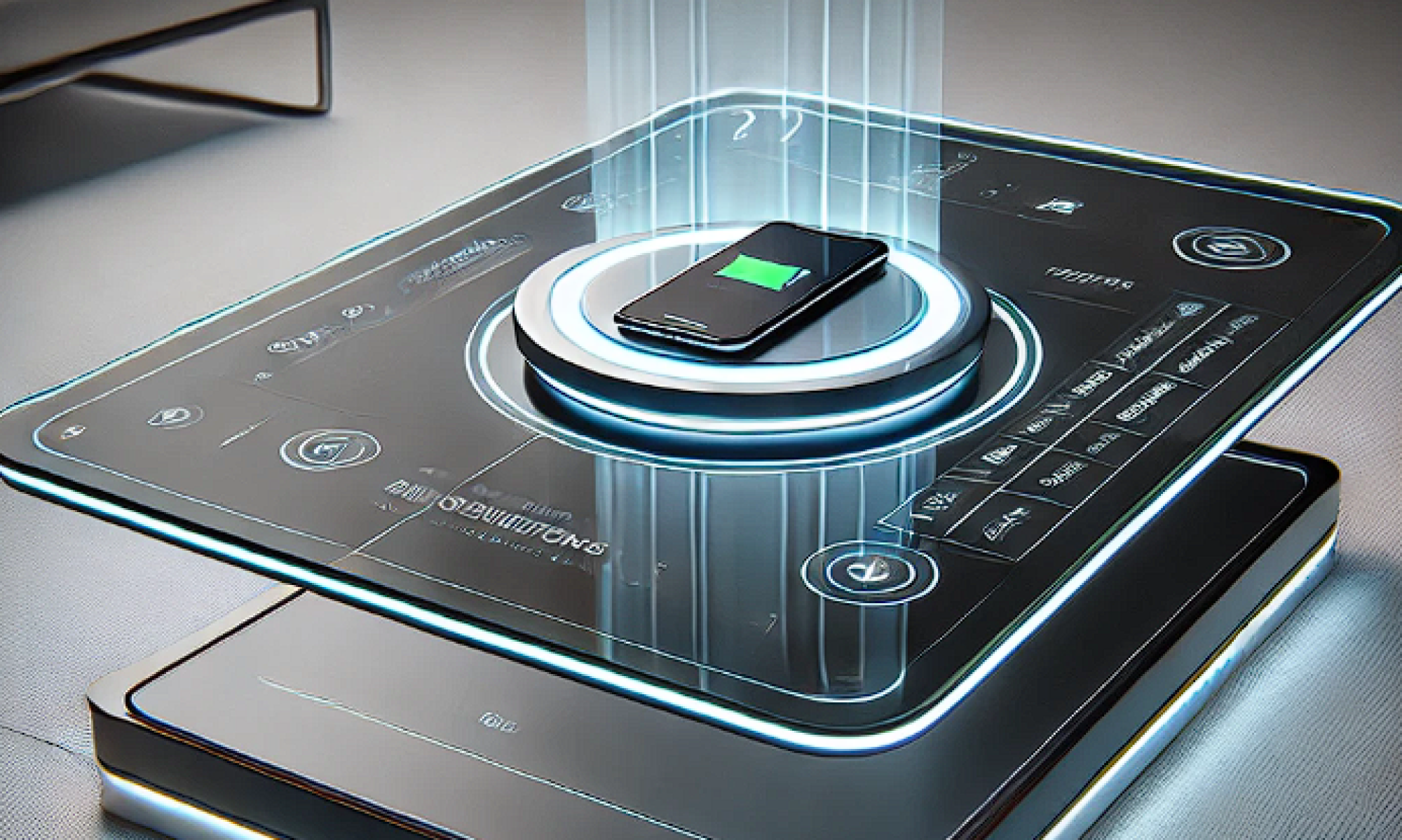
For our project, we will to design a smart charging table that can be placed in public areas such as libraries to help people with their charging issues. The table will have two layers: a transparent desktop on top and a charging system on the second layer beneath the desktop. The charging system will contain components that first automatically detect the position of your electronic device, such as your phone, and then move a magnetic charger to the position right below your phone and begin charging. During the whole process, the only thing you need to do is to place your phone on the table, and our device will do all the work automatically.