- Making the solution part of the Design Review presentation(system block diagram, implementation plan)
- Presented the Design Review presentation, waiting for the feedback
- Working on finalizing the BOM and starting on the firmware
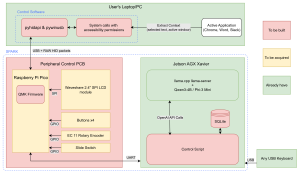

Carnegie Mellon ECE Capstone, Spring 2026 – Sida Cheng, Tatyana Cruz, Jinghan(Leonard) Cheng
Tested multiple models that the Jetson AGX Xavier can run (all with llama.cpp and 4-bit quantization).

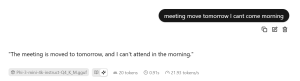
Findings:
Team Effort(what I have done with other team members):
Individual Effort:
After the faculty meeting on Wednesday, the biggest takeaways are:
So we
Moving forward, we want to finalize our UI design with mockups of the touchscreen interface and physical button layouts, to make sure the flow supports our usability requirements. We’re also creating a very clear, step-by-step walkthrough of our product that shows the complete user experience from setup through daily use across different scenarios. This will serve as a way to keep us aligned later in development.
We are going to develop a testing plan that addresses both quantitative metrics like latency and acceptance rates, as well as the more qualitative parameters that faculty raised concerns about in our design presentation. Specifically, we need rigorous evaluation criteria for the correctness of grammar fixes, appropriateness of tone adjustments, and overall quality of generative content. Such as designing test cases with clear rubrics and planning what our user testing sessions would look like as well.
Challneges:
Time is our biggest blocker as we need to prove a lot that out lllm deployment is strong enough to accomplish what we want to do for our project.
Tatyana: User story development, testing plan framework
Sida: LLM deployment on Jetson,
Leonard: hardware research


This week I created the agenda structure and organized group meetings. After our review the week prior I spearheaded an extra task to help us solidify our scope after critique around our use case and target users. I identified target groups to help shape what are needed mvp to address our target users. After creating this exercise, I focused on the context switch use case to help us understand the ideal use case as well as create a use case that would help us outline the limitations/ challenges.
After creating these user stories, we worked to create our proposal slide deck, which I presented. I was focused on the use case, key users, tech stack, and solution approach. As a result of presenting the deck, I created speaking points and prepared for the presentation.
In addition to the proposal, I also created the Gantt chart and timeline, as well as outlined team responsibilities/division of labour.
After our presentaion we worked to start defining UI after our presentation critique, create a better design for our device. Utilizing the hardware for finetuning/settings and pushing more of the user side interaction to software.